Honey Blonde hair: what it looks like and who it suits
Updated November 2026 4 min read #C99A5B
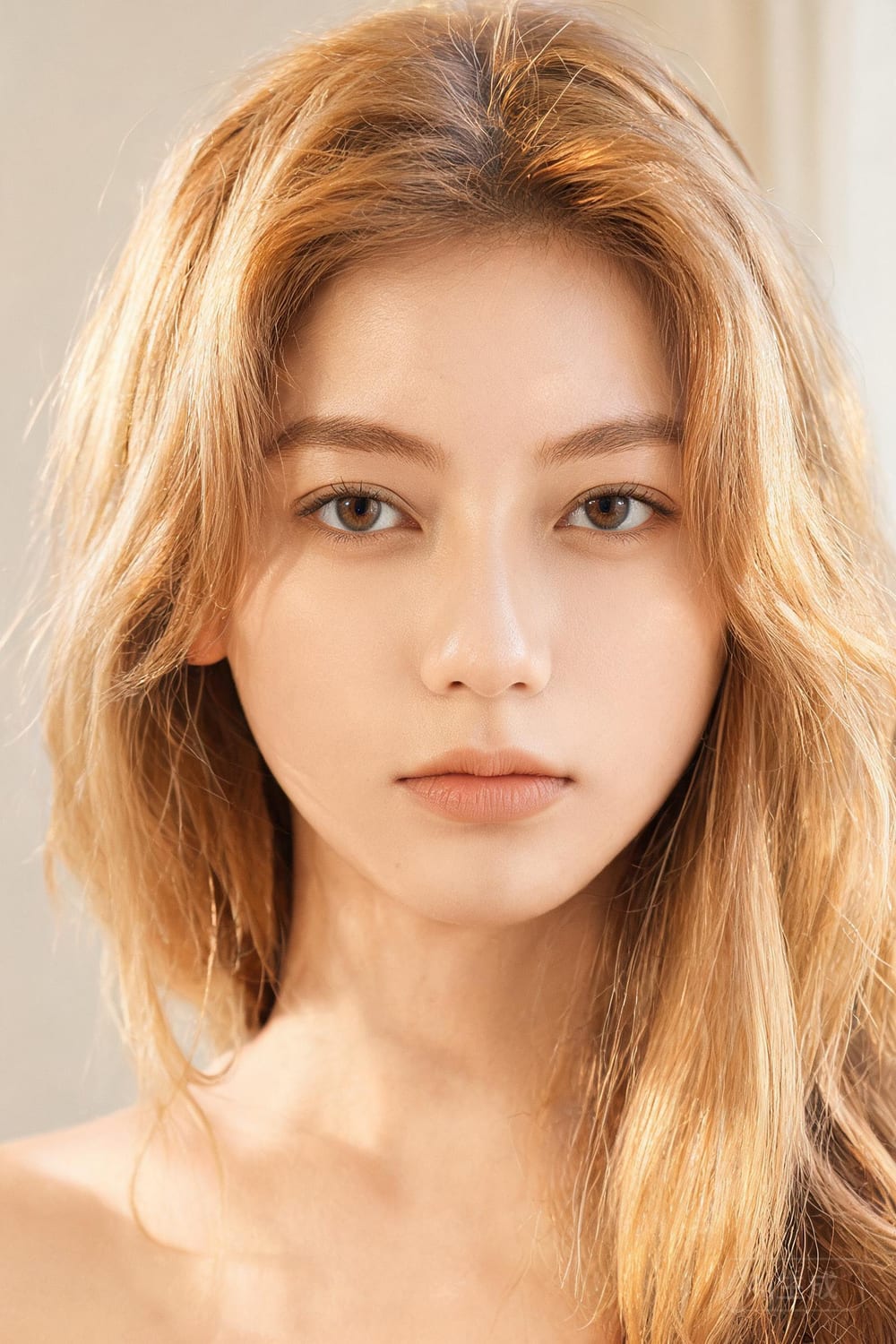
Honey blonde is a warm golden blonde that sits between caramel and light blonde. It is softer than platinum and less red than strawberry blonde, which makes it a safe first step into blonde.
Who Honey Blonde tends to suit
It flatters warm and neutral skin tones and works well with brown eyes. Very cool or pink undertones can make honey look yellow, so a neutral gloss may be needed.
What to ask your stylist
Ask for a level 8 golden blonde with a soft root shadow and a honey gloss. Bring a photo in daylight; honey can look darker indoors than you expect.
How to keep it looking fresh
Brassiness is the main issue. Use a purple or blue shampoo once a week and a gloss every 5–6 weeks to keep the gold from turning yellow.
Still deciding? Put honey blonde next to Ash Blonde or Caramel Balayage, then compare all 25 hair color guides before you book.
Color results depend on your starting level, hair history and undertone. Book a strand test before a full application—it is the cheapest way to avoid an expensive correction.
First preview free 2K output No app needed
Questions people ask
Is honey blonde warm or neutral?
It is warm, but a good formula keeps it from going orange. Ask for a golden-beige tone rather than a pure gold.
Does it suit cool skin?
It can, but a neutral or ash-leaning honey usually works better than a very golden one.
How do I stop it going brassy?
Use a color-safe shampoo, a purple or blue mask once a week, and a gloss every 5–6 weeks.